How Much Does Tirzepatide Cost in 2026?
Tirzepatide costs $1,022–$1,100/month at retail. With Lilly savings card: $25/month if insured. Compounded tirzepatide runs $150–$400/month in 2026.
Quick Answer: Mounjaro and Zepbound list at $1,022–$1,100 per month in 2026. With the Eli Lilly savings card and commercial insurance, eligible patients pay $25/month. Without insurance, compounded tirzepatide from licensed pharmacies costs $150–$400/month.
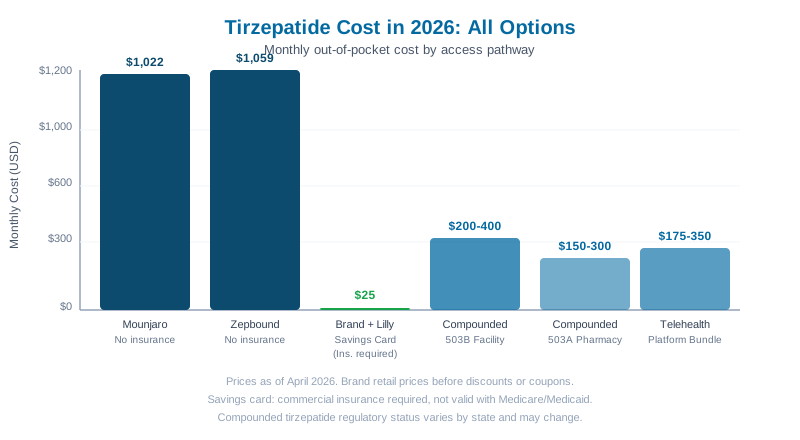
Tirzepatide cost is one of the most common barriers to starting and staying on this medication. The list prices are genuinely high, but there are multiple pathways that bring the actual out-of-pocket cost down significantly for most patients. Understanding all the options is necessary before concluding you can't afford it.
Brand-Name Tirzepatide: List Prices in 2026
Eli Lilly markets tirzepatide under two brand names:
- Mounjaro, approved for type 2 diabetes
- Zepbound, approved for chronic weight management (BMI ≥30, or ≥27 with at least one weight-related condition)
Both contain the same active ingredient at the same doses. The differences are indication, packaging, and which insurance plans cover each.
| Product | Starting Dose | Max Dose | Retail Price (2026) |
|---|---|---|---|
| Mounjaro | 2.5 mg | 15 mg | ~$1,022/month |
| Zepbound | 2.5 mg | 15 mg | ~$1,059/month |
These prices reflect 4 pre-filled auto-injector pens (a 4-week supply) at your local pharmacy without insurance.
The Eli Lilly Savings Card
Eli Lilly offers a savings program for commercially insured patients who meet eligibility criteria.
For Mounjaro (Lilly Insulin Value Program + savings card):
- Eligible patients pay as low as $25/month with commercial insurance
- Maximum savings: up to $150/month off
For Zepbound:
- Eligible commercially insured patients: $25/month
- Savings cap: approximately $550/fill
Eligibility requirements:
- Must have commercial insurance (not Medicare, Medicaid, or any federal/state program)
- Must not be in the coverage gap of a Medicare Part D plan
- Must be a US resident
- Prescriber must submit to Eli Lilly's savings program
Check current eligibility and enrollment at LillyCareSolutions.com or through your prescriber. The program terms are updated periodically and the savings caps change.
If you're on Medicare: You don't qualify for the Lilly savings card. However, Mounjaro for diabetes does have some Medicare Part D coverage; Zepbound for weight loss has very limited Medicare coverage under current law as of 2026.
Insurance Coverage for Tirzepatide
Mounjaro (Diabetes)
Insurance coverage for Mounjaro is better than for Zepbound because it treats an established medical diagnosis (type 2 diabetes). Many commercial plans cover Mounjaro, though prior authorization is typically required. Common criteria:
- Confirmed type 2 diabetes diagnosis
- HbA1c above a threshold (typically ≥7.5% or ≥8.0%)
- Trial of metformin unless contraindicated
- BMI may or may not be a factor
Zepbound (Weight Loss)
Commercial insurance coverage for weight loss drugs has historically been poor. As of 2026, coverage has improved but remains inconsistent:
- Approximately 40–50% of large employer plans now cover Zepbound
- Prior authorization almost universally required
- Common criteria: BMI ≥30, or BMI ≥27 plus obesity-related condition (hypertension, sleep apnea, type 2 diabetes, dyslipidemia)
- Some plans require documented 6-month supervised diet program first
- Many state Medicaid programs do not cover Zepbound
The fastest way to check coverage: call the member services number on your insurance card and ask specifically about tirzepatide (NDC codes for Zepbound) under your formulary.
Compounded Tirzepatide: The Affordable Alternative
During the FDA shortage period (2022–2025), compounding pharmacies legally produced tirzepatide. Despite the FDA removing tirzepatide from the shortage list in early 2025, certain compounded formulations remain available through specific channels as of April 2026, though the regulatory environment continues to shift.
Typical compounded tirzepatide costs in 2026:
| Source | Price Range |
|---|---|
| 503B outsourcing facility (via prescriber) | $200–$400/month |
| 503A compounding pharmacy | $150–$300/month |
| Telehealth platform + pharmacy | $175–$350/month |
These prices include the vial but typically not syringes. Insulin syringes add roughly $10–$20/month depending on volume.
The cost difference is real: $250/month compounded vs. $1,059/month brand-name without insurance is a $9,700/year difference. For uninsured or underinsured patients, compounded tirzepatide has been the only financially viable option.
See compounded tirzepatide vs Mounjaro for a full discussion of the quality, safety, and practical differences between these options.
Telehealth Platforms and Their Pricing
Telehealth companies like Hims & Hers, Ro, and others have offered bundled tirzepatide prescriptions through their affiliated pharmacies. Pricing in 2026:
- Telehealth consultation fee: $0–$199 (often included or waived)
- Monthly medication cost: $175–$450 depending on dose and platform
- Some platforms offer multi-month packages at discounted rates
The benefit is convenience: one platform handles prescription and pharmacy together. The downside: you're somewhat locked into their formulary and pricing, and their compounding partners vary in quality.
Medicare and Medicaid Coverage
Medicare Part D: Covers Mounjaro for type 2 diabetes (with prior authorization, step therapy requirements). Does not currently cover Zepbound for weight management under standard Part D.
Medicaid: Coverage varies by state. Approximately half of state Medicaid programs cover GLP-1 medications for diabetes as of 2026; coverage for weight loss indication is much more limited.
Inflation Reduction Act provisions: Starting in 2025-2026, certain Medicare negotiated prices for high-cost drugs have begun taking effect. Tirzepatide is on the CMS negotiation list; final negotiated prices may affect Part D out-of-pocket costs going forward.
Factors That Affect Your Actual Tirzepatide Cost
1. Dose level. Higher doses cost more. A 4-week supply at 15 mg costs more than at 2.5 mg. Budget for escalating costs as you move through the dosage schedule.
2. Pharmacy selection. Retail chain pharmacy prices for Mounjaro/Zepbound can vary by $50–$150/month between pharmacies. GoodRx and similar discount programs don't typically work well with brand GLP-1 medications because of manufacturer copay card restrictions, though worth checking regardless.
3. Vial size (compounded). Larger vials often have lower per-dose costs. A 10 mL vial at 10 mg/mL contains 100 mg, which works out to 10 doses of 10 mg each. The per-dose cost is lower than a 2 mL vial for the same number of doses.
4. Concentration (compounded). This affects how you calculate and draw your dose. Use the tirzepatide injection volume calculator to confirm your dose in mL before every injection when switching vial sizes or concentrations.
Long-Term Cost Considerations
Tirzepatide is a chronic medication. Most patients who stop tirzepatide regain most of the lost weight within 12–18 months. Effective tirzepatide cost isn't just this month's prescription. For most patients, it's a years-long commitment.
For uninsured patients, the annual cost breakdown looks like this:
- Brand-name without savings card: ~$12,264–$13,200/year
- Brand-name with Lilly savings card (insured): ~$300/year
- Compounded (503B): ~$2,400–$4,800/year
Budgeting realistically for long-term access should factor into whether you start brand vs. compounded, and which pharmacy or platform you use.
For the clinical trial data on what you get for this cost, see tirzepatide weight loss results. For a comparison of how tirzepatide's cost and effectiveness compare to semaglutide, see tirzepatide vs semaglutide.
The about page has more information on how this site approaches clinical content.
Ready to calculate your dose?
Free tirzepatide injection volume calculator. No signup required.