Managing Tirzepatide Side Effects: What to Expect
Tirzepatide side effects like nausea and diarrhea peak in weeks 1–3 of each dose increase. Learn practical strategies to manage them safely.
Quick Answer: Tirzepatide side effects are mostly GI-related (nausea, diarrhea, and constipation) and tend to peak in the first 1–3 days after each dose increase, then improve significantly. Most patients find them manageable with diet changes and timing adjustments.
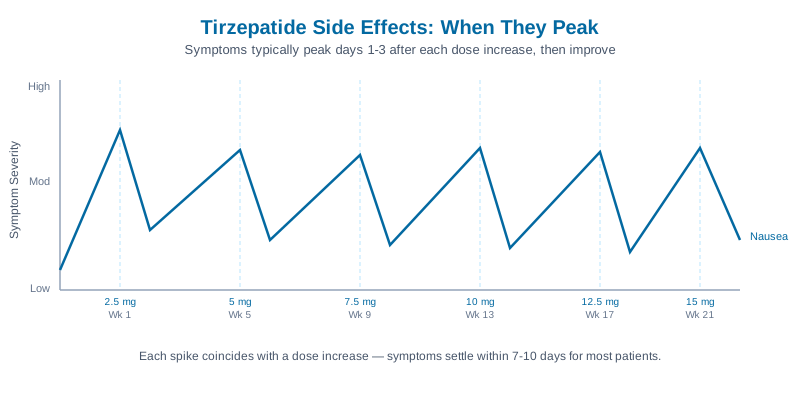
Nausea is the number one reason patients stop tirzepatide early. That's a shame, because most tirzepatide side effects are predictable, manageable, and temporary. Knowing what's coming and what to do about it makes a real difference in whether you stick with the medication long enough to see results.
The Most Common Tirzepatide Side Effects
Data from the SURMOUNT-1 trial and FDA prescribing information show these rates in patients on 15 mg tirzepatide:
| Side Effect | Approximate Incidence |
|---|---|
| Nausea | 30–33% |
| Diarrhea | 23–25% |
| Vomiting | 12–14% |
| Constipation | 11–13% |
| Abdominal pain | 9–11% |
| Decreased appetite | 13–17% |
At lower doses, rates are meaningfully lower. Nausea, for example, runs around 12–15% at 5 mg vs. 30–33% at 15 mg.
When Tirzepatide Side Effects Peak
The pattern is consistent: symptoms worsen in the first 3–5 days after a dose increase, then diminish as your body adapts. By weeks 3–4 at a given dose, most patients are close to their baseline.
This is why the dosing schedule uses 4-week intervals. If you're still in the first week of a new dose, what you're experiencing is likely the peak, not a sign that you can't tolerate the medication.
After each dose escalation in the standard tirzepatide dosage schedule, expect a brief adjustment period. It doesn't mean something is wrong.
Managing Nausea
Nausea from tirzepatide is caused by slowed gastric emptying, the same mechanism responsible for the satiety effects. Your stomach empties more slowly, which triggers nausea when overfull.
Practical strategies:
- Eat smaller portions. 4–5 small meals (300–400 calories) rather than 3 large ones. A stomach that's half full empties more comfortably than one that's overfull.
- Avoid high-fat foods. Fat slows gastric emptying on its own. Combined with tirzepatide, a high-fat meal can cause severe nausea. Fried food, cream sauces, and fatty meats are common triggers.
- Time your injection strategically. Many patients find evening injections work better, since they sleep through the first 6–8 hours of peak effect. Others prefer morning injections so they're awake to manage any symptoms.
- Ginger. Ginger tea, ginger chews, or ginger capsules (250–500 mg) have genuine antiemetic evidence behind them. They're worth trying before reaching for prescription antiemetics.
- Stay upright after eating. Don't lie down for at least 2 hours after meals. Gravity helps.
If nausea is severe (you're unable to keep food or liquids down for more than 12 hours), contact your prescriber. Prescription antiemetics like ondansetron (Zofran) are sometimes warranted short-term during escalation.
Managing Diarrhea
Loose stools and diarrhea are more common in the first weeks of treatment. For most patients, this resolves without intervention within 2–4 weeks at a given dose.
What helps:
- Avoid high-sugar and high-fat foods, which worsen diarrhea
- Stay hydrated; diarrhea causes significant fluid and electrolyte loss
- Over-the-counter loperamide (Imodium) is safe for occasional use; ask your prescriber before using regularly
- Probiotic use (Lactobacillus strains specifically) has some evidence for GI symptom reduction, though data in GLP-1 patients specifically is limited
Managing Constipation
Constipation tends to emerge later, often at 7.5 mg and above, as slowed GI motility becomes more pronounced.
Prevention is easier than treatment:
- Maintain fiber intake: 25–35 grams daily from whole foods (vegetables, legumes, whole grains) or supplement with psyllium husk (Metamucil)
- Drink at least 64 oz of water daily
- Walk for 20–30 minutes daily; movement directly supports GI motility
- Avoid relying on stimulant laxatives (senna, bisacodyl) as a regular solution; they can cause dependence
Polyethylene glycol (MiraLAX) is a safe, non-habit-forming option for occasional constipation and can be used for 1–2 weeks at a time if needed.
Fatigue and Low Energy
Some patients report significant fatigue, particularly in the first 4–6 weeks. This is usually a combination of caloric restriction (eating less than the body is used to), some direct effects of GLP-1 receptor activation on the CNS, and the body adjusting to altered metabolism.
Make sure you're eating enough. The minimum for most adults is 1,200 calories for women and 1,500 for men, even with strong appetite suppression. Under-eating accelerates muscle loss and worsens fatigue.
Protein should be prioritized: aim for 0.7–1.0 grams per pound of lean body mass per day. This is harder to hit when you're not hungry, which is why protein shakes are a practical tool on tirzepatide.
Injection Site Reactions
Local redness, itching, or mild swelling at the injection site affects around 3–5% of patients. It's usually self-limited and resolves in 24–48 hours.
Consistent site rotation reduces the chance of cumulative skin irritation. See the full tirzepatide injection technique guide for site rotation guidance.
Tirzepatide Side Effects to Take Seriously
The following are rare but require prompt medical attention.
Pancreatitis
Symptoms: severe abdominal pain that radiates to the back, nausea/vomiting, fever. GLP-1/GIP receptor agonists have a class-level warning for pancreatitis. It's rare, affecting fewer than 1% of patients in trials, but can be serious. Stop tirzepatide and go to an emergency room if these symptoms occur.
Thyroid C-Cell Tumors
Tirzepatide carries a black box warning for thyroid C-cell tumors, based on animal studies. No human cases have been confirmed, but the drug is contraindicated in patients with a personal or family history of medullary thyroid carcinoma (MTC) or Multiple Endocrine Neoplasia syndrome type 2 (MEN2).
Tell your prescriber about any thyroid history before starting.
Severe Allergic Reactions
Symptoms include rash, swelling of the face or throat, difficulty breathing. Stop the medication and seek emergency care immediately.
Diabetic Retinopathy (in Type 2 Diabetes Patients)
Rapid improvement in blood sugar can temporarily worsen diabetic retinopathy in some patients. If you have pre-existing diabetic eye disease, your prescriber should monitor for this.
When to Call Your Prescriber
Call (don't wait for the next appointment) if:
- Vomiting prevents you from keeping down liquids for 12+ hours
- You have persistent severe abdominal pain
- You notice a lump or swelling in your neck
- Side effects at a new dose are significantly worse than previous escalations after 7+ days
The goal is to stay on the medication long enough to get results. Managing tirzepatide side effects proactively, rather than suffering through them or stopping, is what separates patients who succeed long-term.
For guidance on dose timing and schedule, see the tirzepatide dosage schedule overview. For cost questions that might affect whether you can continue treatment, the tirzepatide cost and insurance guide covers your options.
If you're on compounded tirzepatide and want to double-check your injection volume before the next dose, the injection volume calculator takes under a minute. Learn more about how this site's content is reviewed on the about page.
Ready to calculate your dose?
Free tirzepatide injection volume calculator. No signup required.