How to Store Tirzepatide: Temperature & Safety Guide
Store tirzepatide at 36–46°F in the fridge, use within 28 days of opening, and never freeze. Full tirzepatide storage rules for vials and pens.
Quick Answer: Tirzepatide must be refrigerated at 36–46°F (2–8°C) and used within 28 days of first use. Never freeze it. A vial left at room temperature for more than 4 hours may need to be discarded. Check with your pharmacy.
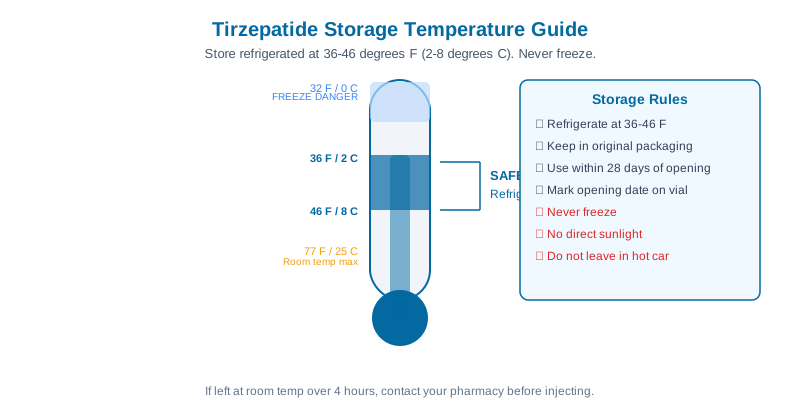
Proper tirzepatide storage isn't optional. Temperature excursions can degrade the peptide structure and reduce potency, and you won't know by looking at it. A degraded vial may look identical to a good one. The only protection is following storage guidelines from the start.
Refrigerator Storage: The Basics
Both brand-name tirzepatide (Mounjaro/Zepbound pens) and compounded tirzepatide vials must be stored in a refrigerator at 36–46°F (2–8°C).
This is standard refrigerator temperature; most home refrigerators run at 37–40°F when properly set. A few practical points:
- Don't store in the door. Refrigerator doors experience more temperature variation due to repeated opening. Store tirzepatide in the main compartment, ideally on a middle shelf.
- Don't store near the back wall. The back of some refrigerators can freeze, and vials pushed against it have been inadvertently frozen.
- Keep the original packaging. Tirzepatide is light-sensitive. The carton or case protects it from light exposure during storage.
The 28-Day Rule After Opening
Once a compounded tirzepatide vial is opened (the rubber stopper is first punctured), it must be used or discarded within 28 days, regardless of how much is left.
This applies even if you only drew 0.25 mL from a vial. Mark the date you first used the vial on the label. A strip of medical tape works fine. Some pharmacies label this date at dispensing; many do not.
Brand-name Mounjaro pens are single-use: one pen, one dose. No 28-day concern.
Why 28 days? Once the stopper is punctured, the sterile barrier is compromised. Even with proper refrigeration, bacterial contamination risk increases over time. 28 days is the conservative limit that balances practical multi-dose use with infection safety.
Never Freeze Tirzepatide
Freezing destroys tirzepatide. The peptide structure can denature or aggregate at sub-zero temperatures, and the formulation (typically a buffered aqueous solution) may undergo physical changes that alter how it's absorbed.
If your vial or pen has been frozen, even briefly, do not use it. Contact your pharmacy for a replacement. The cost of a wasted vial is much less than the consequences of injecting degraded medication.
Signs a vial may have been frozen (and thawed):
- Ice crystals still visible
- Unusual flakiness or particles in the liquid
- Cloudiness that doesn't clear when gently rolled
What Normal vs. Abnormal Looks Like
Tirzepatide solution should be:
- Clear (colorless to slightly yellow)
- Free of visible particles
- Slightly viscous compared to water
Do not use tirzepatide if it is:
- Cloudy (not just the slight yellowish tint, but actual cloudiness)
- Contains floating particles or flakes
- Has changed color significantly
- Appears frozen or has been frozen
If you're unsure, call your pharmacy. A few seconds on the phone is worth it.
Light Exposure
Tirzepatide is photosensitive. Direct sunlight and even prolonged fluorescent light exposure can degrade the peptide. The original carton blocks light during storage. When drawing a dose, briefly remove the vial from the box, draw your dose, and return it promptly. Don't leave it sitting on the counter in bright light.
For compounded vials from pharmacies, many come in amber-colored vials that provide additional light protection. This is a good sign about the pharmacy's handling standards.
Temperature Excursions: What to Do
Left out at room temperature
If tirzepatide has been left out at room temperature (up to 77°F / 25°C) for up to 4 hours, it is generally considered acceptable to use, per manufacturer guidelines for the brand product.
Beyond 4 hours at room temperature, you should contact your pharmacy. For compounded products specifically, limits may differ from the branded product, so ask your compounding pharmacy for their specific stability data.
Left in a hot car
If tirzepatide was left in a vehicle on a warm day, temperatures can easily exceed 100°F (38°C), well beyond the acceptable range. Discard and contact your pharmacy for guidance. Heat degrades peptides faster than cold does.
Power outage
If your refrigerator loses power, the interior typically stays below 46°F for 4–6 hours if the door stays closed. Monitor the temperature with a refrigerator thermometer if outages are common in your area. If you know the temperature exceeded 46°F for more than 4 hours, contact your pharmacy.
Travel With Tirzepatide
Traveling with tirzepatide requires planning.
Short trips (under 4 hours from fridge to fridge): Use an insulated cooler pack designed for medications. Pre-chill the pack in the freezer, but keep the vial/pen out of direct contact with ice packs or frozen gel packs (freezing risk).
Longer trips or flights:
- Bring a medical-grade insulated case (brands like FRIO or Medicool work well)
- Keep medication in carry-on luggage, never in checked baggage where temperatures are uncontrolled
- TSA allows injectable medications with a prescription label; pack your prescription documentation
- For international travel, carry a letter from your prescriber on letterhead
Destination storage: If staying in a hotel, use the room refrigerator. Avoid minibar fridges that also freeze; test the temperature setting before trusting it with your medication.
Disposal
Used syringes and needles go into a sharps container, not the regular trash. Many pharmacies offer sharps disposal, and most states have mail-back programs. FDA also provides guidance on safe disposal options.
Unused medication (expired or degraded vials) should not go down the drain or in the trash. Most pharmacies will accept them for disposal, or use your local medication take-back program.
For dose-related guidance, including how to calculate how many doses you have left in a vial, use the tirzepatide dose volume calculator to track your vial usage. And if you're figuring out whether a compounded vial is worth the storage complexity compared to a pre-filled pen, see compounded tirzepatide vs Mounjaro.
If a storage issue caused you to miss a dose, see the missed tirzepatide dose guide for how to handle it.
The about page has information on the clinical review process behind this site's content.
Ready to calculate your dose?
Free tirzepatide injection volume calculator. No signup required.